Climate intelligence
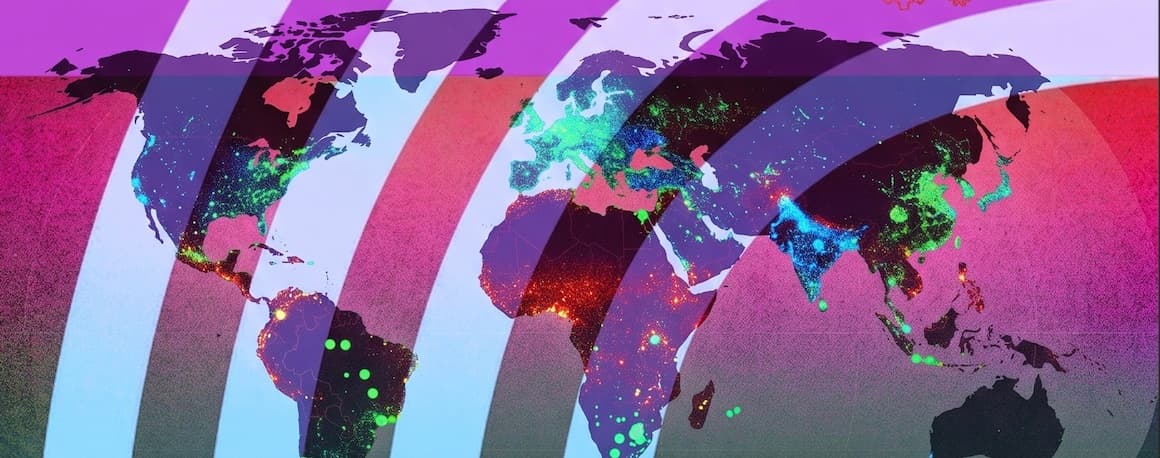
We map climate risk and opportunity. We show where communities and assets meet change.
Independent intelligence for environmental and social decisions.
Who we are
Principles
We start with the people a decision affects. Then we look at the data.
Principles
We start with the people a decision affects. Then we look at the data.
Domains
We organize our work into five connected domains.
We map climate risk and opportunity. We show where communities and assets meet change.
01
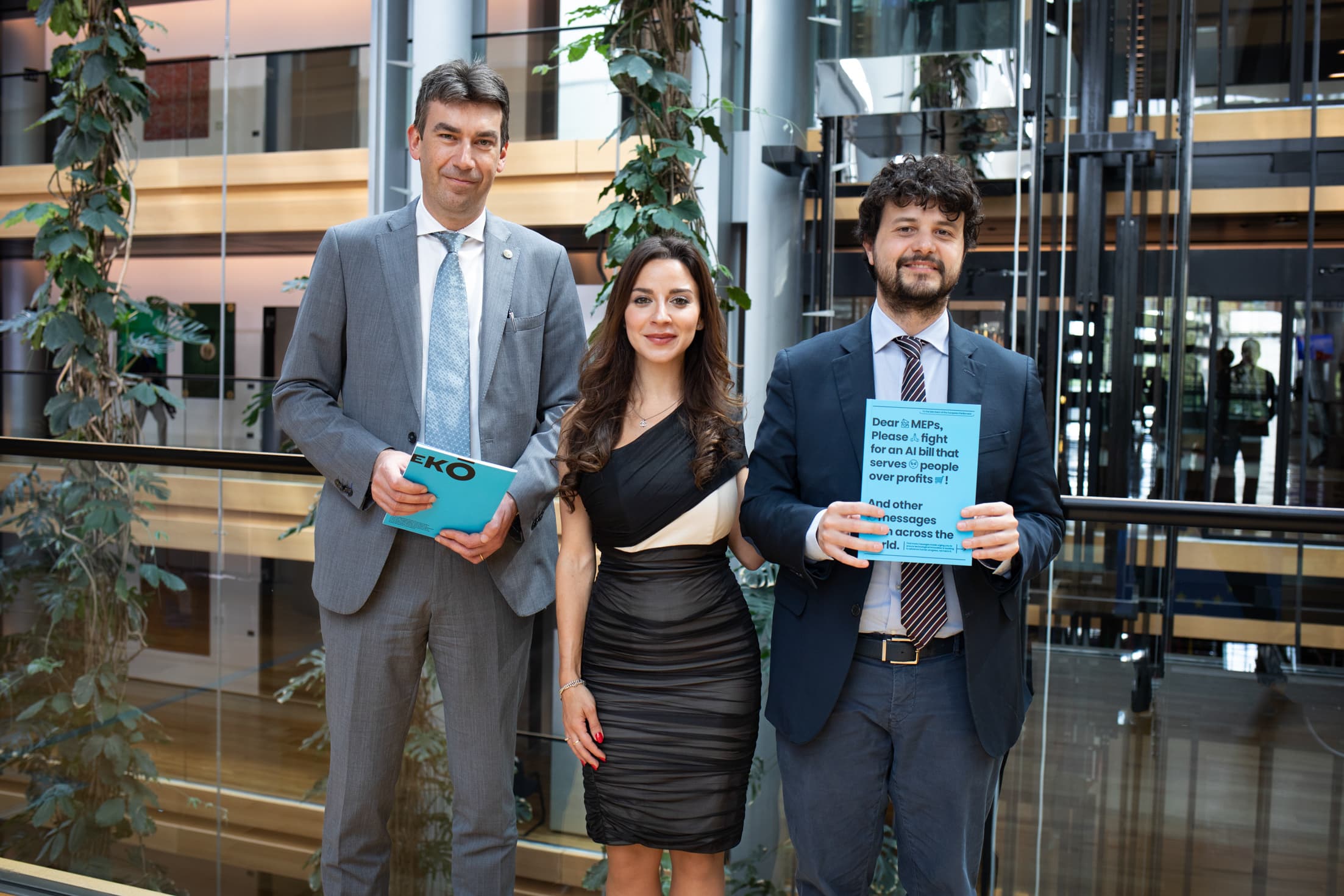
Apply human-centered design to a real-world challenge. Ground your work in the people it affects. Test, iterate, and improve.
02
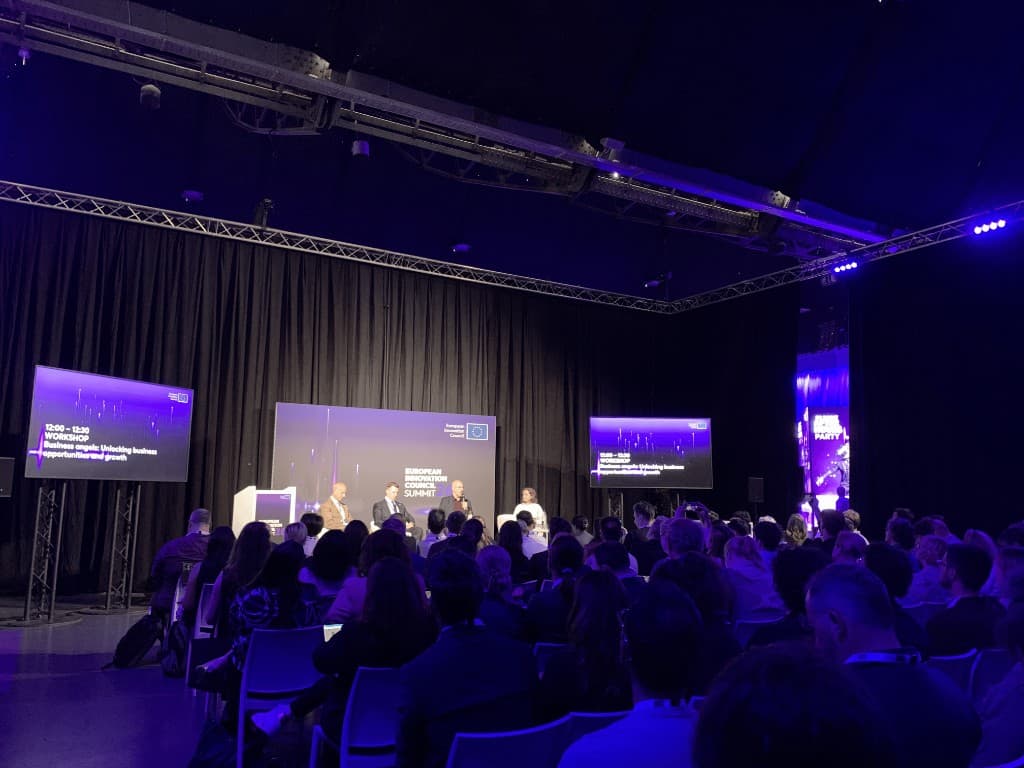
Learn frameworks for fairness, transparency, and responsible AI. Understand what questions to ask, and who to hold accountable.
03
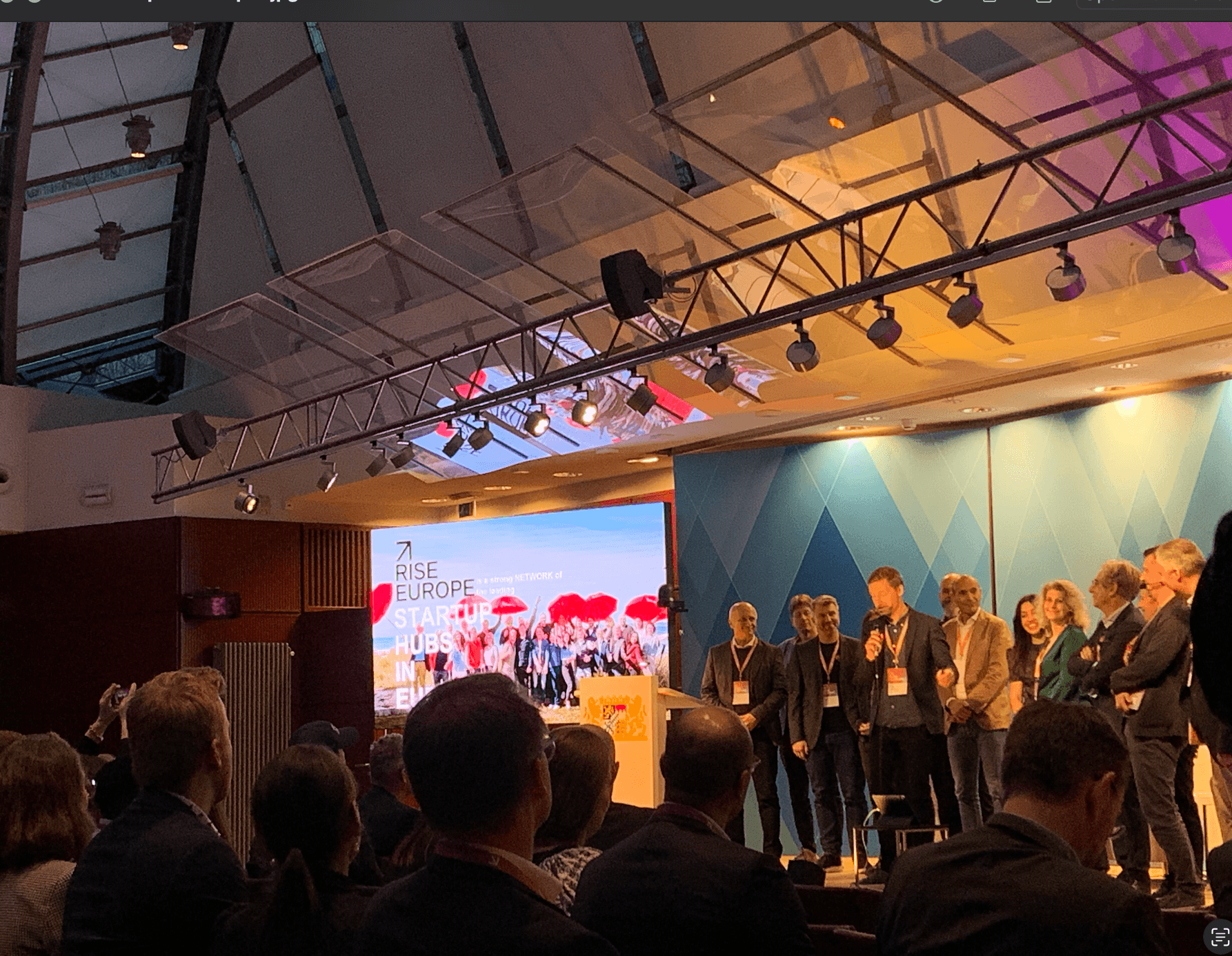
Bring together technology, design, and social impact. Draw on AI policy, research, and field practice.
04
Researchers and social sector leaders share how they apply AI in education, health, and sustainability, with real case studies.
01
Apply human-centered design to a real-world challenge. Ground your work in the people it affects. Test, iterate, and improve.
Step 01: Design for real needs
Why
We help nonprofits and community groups use AI with care.
Want to go deeper? Pick a piece. Read it. Use it in your work.